

সুপ্রিয় ২০২৪ সালের ইংলিশ ভার্সনের এইচএসসি পরীক্ষার্থী বন্ধুরা, শুভেচ্ছা নিও। আজ তোমাদের Biology first paper (Botany)-এর ‘First Chapter : Cell and its Structure’ থেকে আরও ১টি CQ প্রশ্ন ও উত্তর নিয়ে আলোচনা করা হলো।
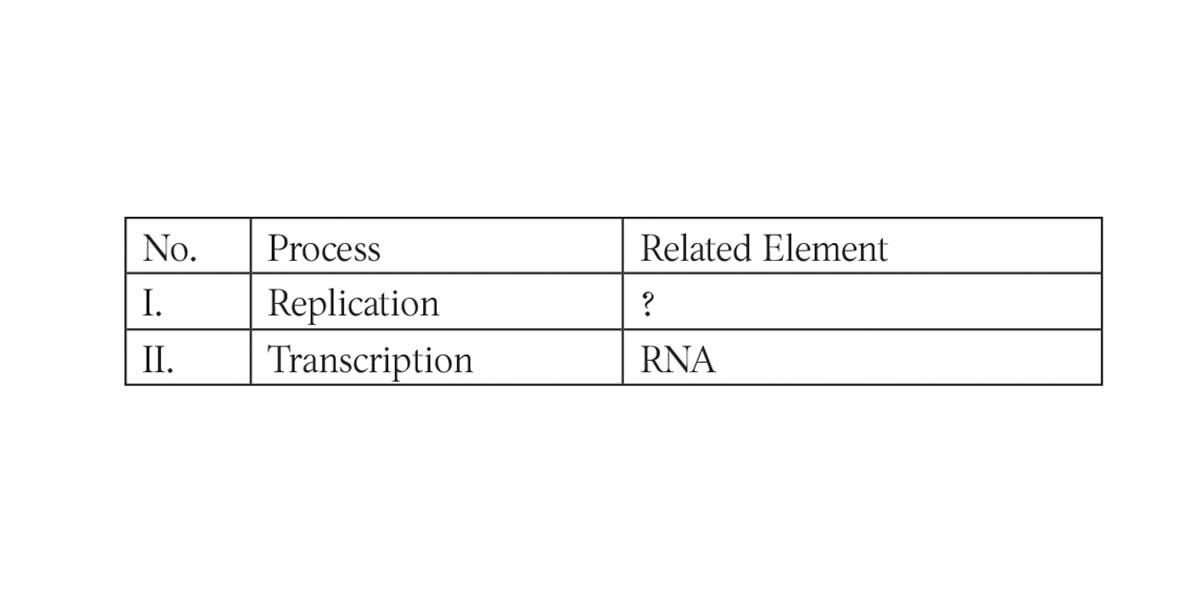
4. Follow the table and answer questions below-
 a. What is splicing?
Ans: The mechanism by which introns of the pre mRNA are mature mRNA is made by the joining of exons is known as splicing.
b. Write down the features of Genetic code.
Ans: Characteristics of genetic code or codon. There are-
- More than one codon encodes a single amino acid (Such as-Lucien).
- A single codon never encodes more than one amino acid.
- A codon never overlaps in preparing nucleotides rather it follows the sequence.
- Genetic codes are universal i.e. a particular code specifies the same type of amino acid in all organisms.
- Genetic code is always of three letters or triplet.
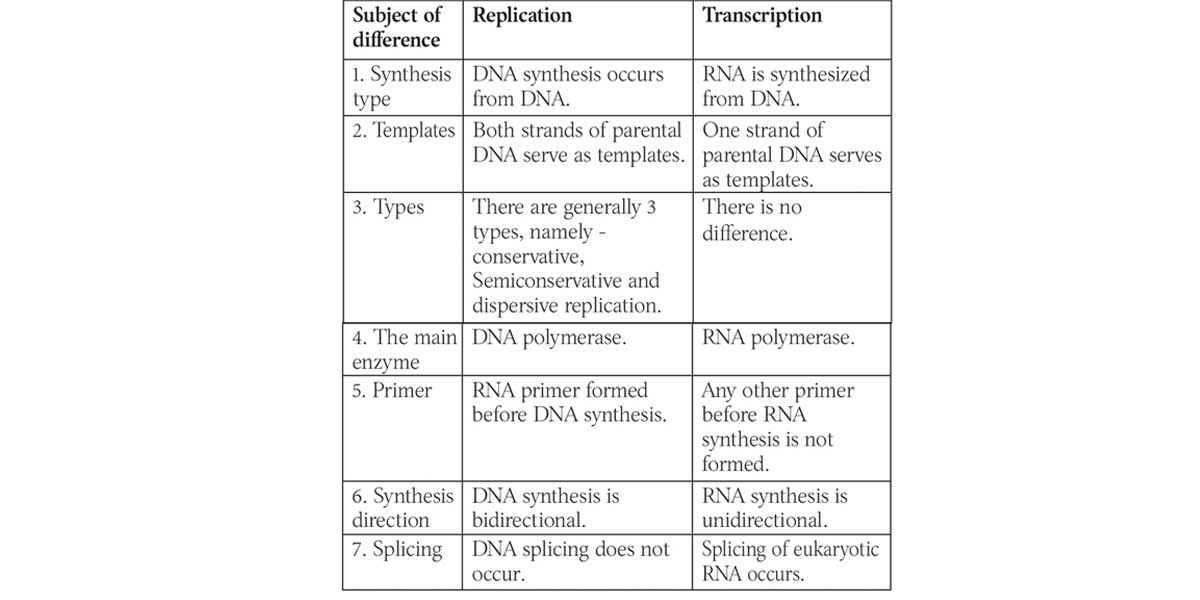
c. Discuss the differences in between the process I. and II.
Ans: The above mentioned process I is Replication and process II is Transcription. The difference Between Replication and Transcription are given below.
d. Describe the physical structure of I No. process related element.
Ans: The process no. I related element is DNA. The structure of the DNA is given below.
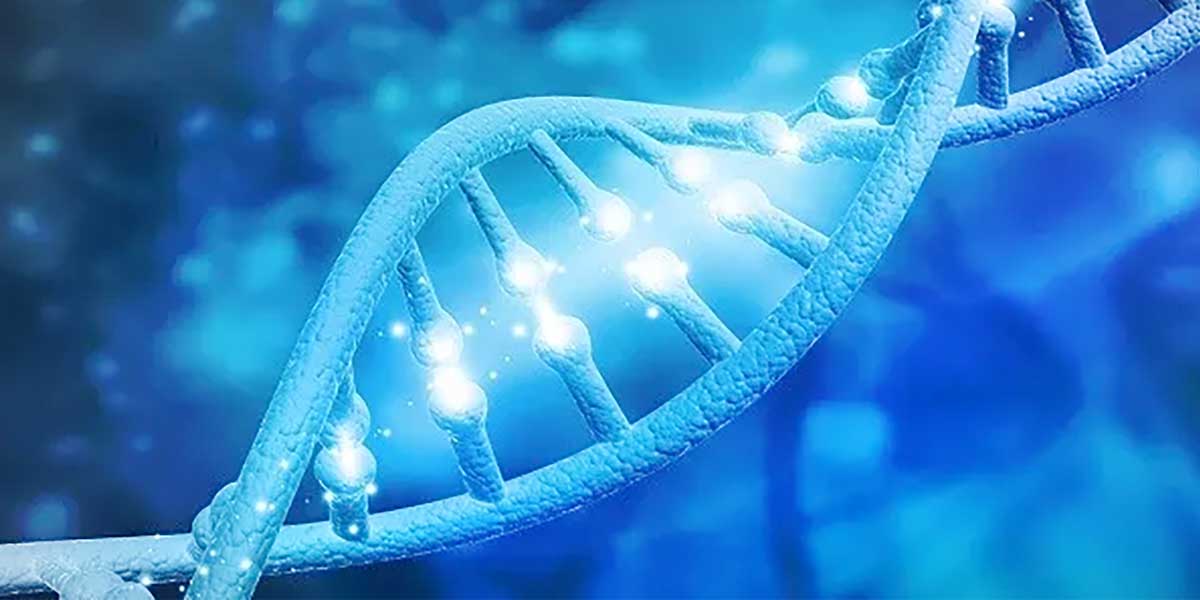
Physical structure of DNA molecule:
(1) DNA molecule is double-stranded, arranged like a twisted ladder.
(2) The two stands are equidistant from each other in opposite directions (one towards the 5 → 3' carbon and the other towards the 3'→ 5' carbon).
(3) Two stands are formed by sequential attachment of deoxyribose sugar (S) and phosphate (P).
(4) Each step between the two stands is formed by a pair of nitrogenous bases (A = T or G = C).
(5) Phosphates are attached to the 3' and 5' carbons (3rd and 5th carbons) of the deoxyribose sugar and bases are attached to the 1' carbon (1st carbon) of the deoxyribose sugar.
(6) DNA molecule contains four types of nitrogen bases (adenine, guanine, thymine and cytosine). The complementary base of adenine (A) is thymine (T) and the complementary base of guanine (G) is cytosine (C).
(7) Adenine of one stand is bonded to thymine of the other stand by two hydrogen bonds (A = T / T = A) and guanine of one stand bond to cytosine of the other stand by three hydrogen bonds (G = C / C = G).
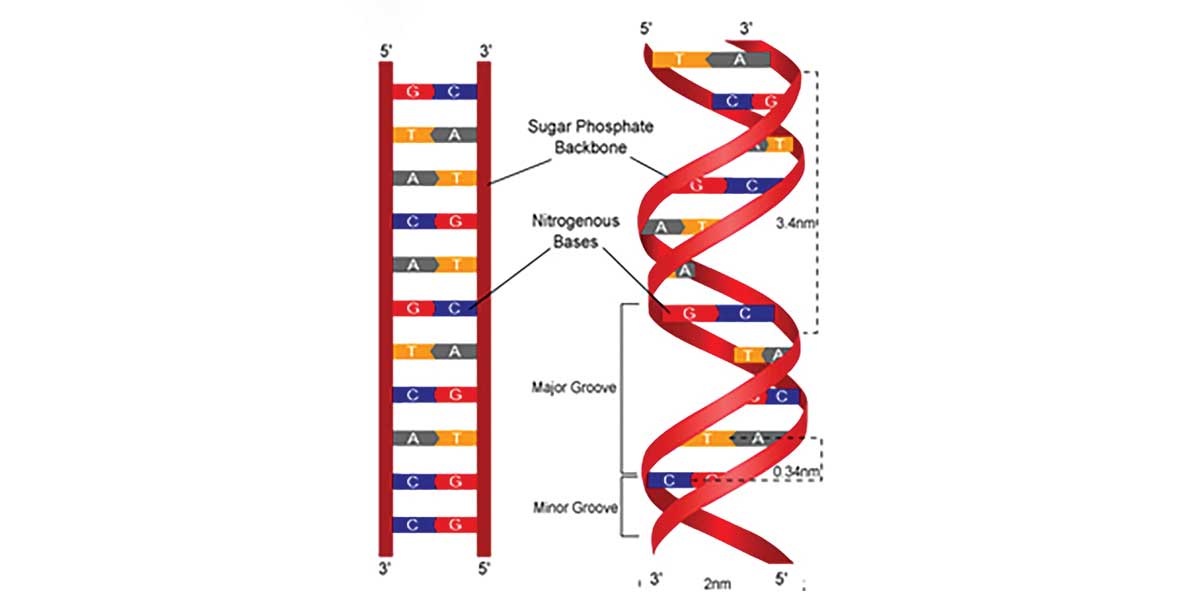
(8) Each patch or turn of DNA stand is 34 A (3.4 nm) in length. Each patch contains 10 equidistant steps of nitrogenous base pairs. Hence the distance from one step of the ladder to the other is 3.4 A (0.34 nm).
(9) Two helices in each patch are 20 A (2nm) in diameter
(10) Each complete patch or turn of the helix creates a major groove and a minor groove on the outside of the chain.
(11) The number of mononucleotides in each turn is 10 pairs.
(12) Number of hydrogen bonds in each patch is 25.
(13) The molecular weight of DNA is between 10-106°.
সহকারী অধ্যাপক, জীববিজ্ঞান বিভাগ ,আদমজী ক্যান্টনমেন্ট কলেজ, ঢাকা।
কলি


-1783926384.png)


-1783919798.jpg)